Advanced computing today plays a central role in digital transformation, driving how data is processed, decisions are made, and complex problems are solved. More than a technical evolution, advanced computing represents a structural shift in how organizations, governments, and scientific institutions approach challenges, paving the way for more efficient and scalable solutions in various fields of knowledge.
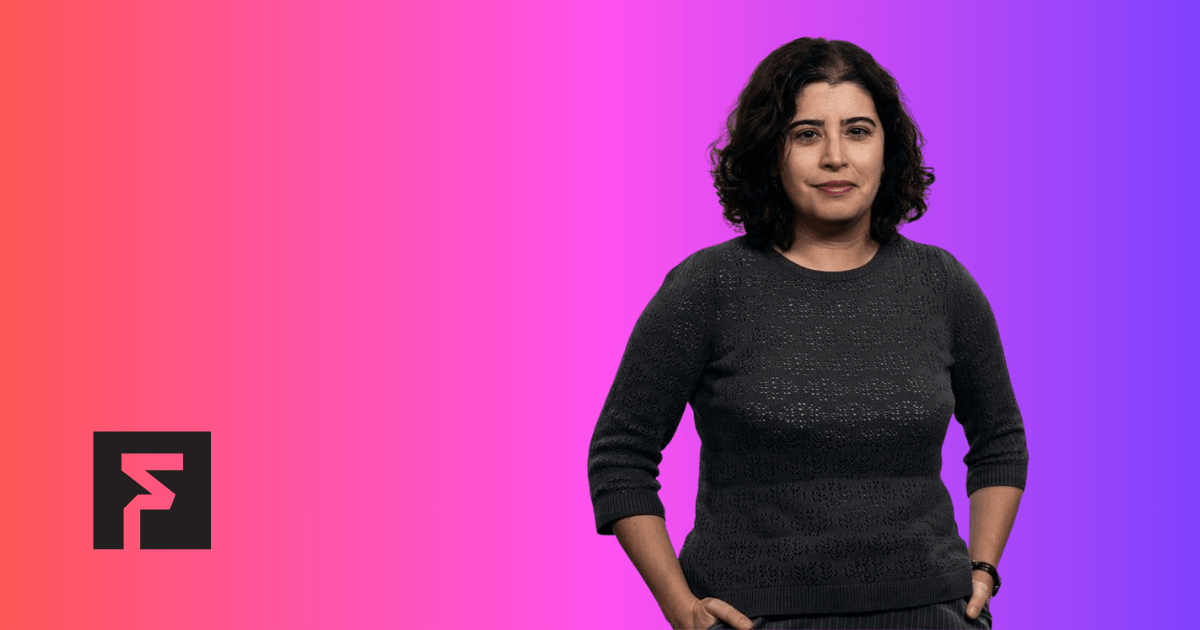
Diana Almeida, Project Manager for the Advanced Computing team at FCT, in the digital services unit FCCN.This reveals what daily life is like for those who work in this expanding field.
Name: Diana Almeida
Team/service at FCCN: Advanced Computing
Year of entry into FCCN: 2025
What motivated your interest in this STEM field? When I was in high school, the idea of being at the forefront of knowledge was fascinating. I wanted to take a course where the subject matter ended because nothing more had been discovered yet, not because it was material for the next year.
A person who inspired you to follow this path: I am stubborn by nature, and I have always been drawn to decorative arts. A teacher in 9th grade kindly advised me not to pursue science because it would destroy my creativity, especially chemistry. And being the good listener I am, I pursued biochemistry. My creativity has never been inhibited because of this; quite the contrary, I take refuge in the title Mary Shelley gives us: students of the unhallowed. arts.
The biggest myth about working in STEM that you'd like to debunk: Precisely because it's incompatible with creativity. More than that, because there's a certain profile for going into STEM, the idea that scientists all have analytical minds, are super methodical and incapable of improvising. Some are, and that's important, but they will always go further with someone by their side who can imagine what can be done beyond the protocol.
An achievement you are proud of in your professional career: My doctorate was undoubtedly the ultimate marathon, and it's impossible to talk about a professional career without highlighting something that filled so much of my life for so long. But the real challenge came afterward; the decision not to continue with my research and to pursue another avenue using the skills I gained during my doctorate is something I'm very proud of.
Someone at FCCN who inspires you: Have you heard of the Advanced Computing Services? The 'anas' are the best inspiration I could have. Starting with the team's induction, with a memorable trip from Aveiro to Lisbon, to the incredible reception I received and the care with which they explain everything that happens in this service. I am very lucky to work surrounded by great women.
The motto for daily work: Just keep swimming.
Something you do at work that people wouldn't imagine: Diagnostic interviews.
Your “secret tool”: I don't have one, I'm a chrome user, if I find a good tool I won't keep quiet about it.
Music or playlist to help you stay focused while working: Instrumental soundtracks, or Hamilton (in particularly boring cases).
Favorite emoji for reacting to incidents:
👀
If you had a superpower: Teleportation.
Something you'd like to tell your younger self at the start of your career, if you could go back in time: Pay attention to the doors that are open to you, don't focus on hypothetical scenarios, and remember that your degree won't define your career unless you want it to.
A piece of advice for girls who want to pursue a STEM field: If you want to go, go; the problem isn't getting in. It's afterwards that the barriers will appear in front of you, and there are many. Learn about informal barriers. Never refuse to give a public presentation. And by the way, a request for men that will greatly help these girls: don't accept being part of a panel where there isn't a woman.


