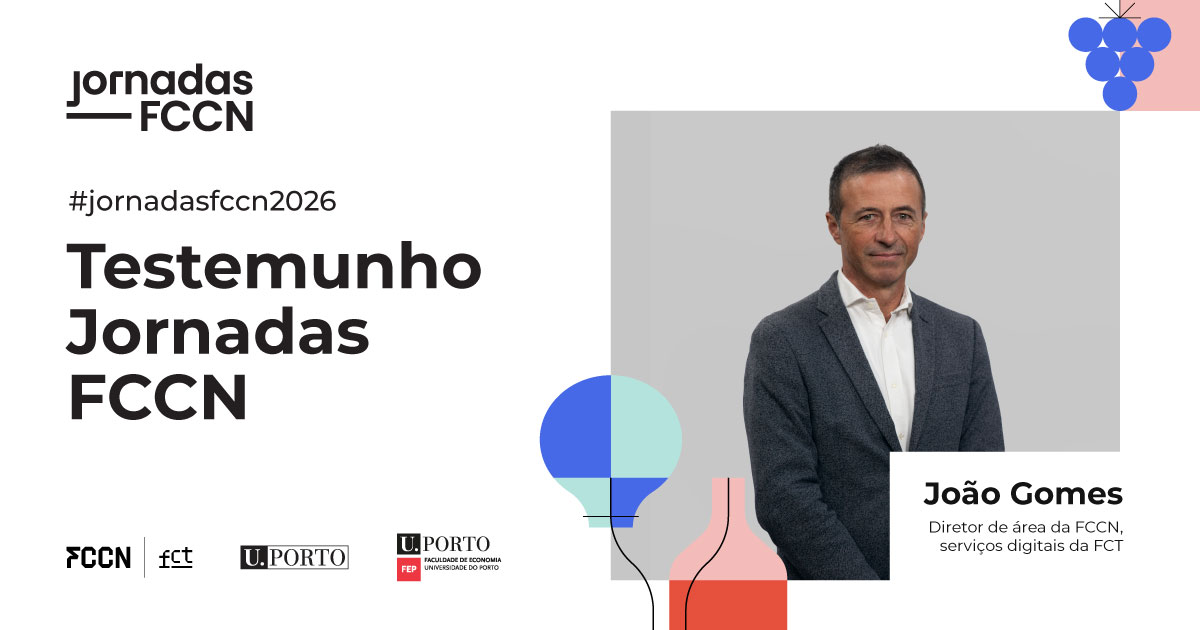
THE edição de 2026 of FCCN Conferences realiza-se na University of Porto, entre os dias 5 e 7 de maio, tendo como palco a Faculdade de Economia da Universidade do Porto.
Enquanto parceira principal do evento, a Universidade do Porto assume um papel central na dinamização desta iniciativa, que reúne a comunidade académica e científica em torno dos serviços digitais e da transformação tecnológica no ensino superior.
Em entrevista, a Vice-Reitora Ana Maria Camanho destaca o significado desta parceria, os contributos da instituição e a relevância das Jornadas FCCN no contexto atual.
Topics in this article:
O que significa para a Universidade do Porto acolher as Jornadas FCCN?
Acolher as Jornadas FCCN 2026 representa, para a Universidade do Porto, um reconhecimento do papel que a instituição tem vindo a assumir na transformação digital do ensino superior e da ciência em Portugal, bem como uma oportunidade para reforçar a ligação entre a academia e as infraestruturas digitais nacionais.
Para a nossa comunidade — estudantes, docentes, investigadores e técnicos — as Jornadas FCCN constituem um espaço privilegiado de aprendizagem e partilha de boas práticas no âmbito dos serviços digitais, assente na experiência da FCCN e na colaboração profícua que esta tem mantido com a U.Porto ao longo dos anos. Permite, igualmente, identificar novas oportunidades de colaboração, tanto a nível nacional como internacional, com outras entidades do universo FCCN.
A diversidade do programa das Jornadas FCCN 2026, que abrange temas como computação avançada, ciência aberta e inteligência artificial, entre muitos outros, proporciona um contacto direto com projetos estratégicos nestas áreas, potenciando a participação em redes e iniciativas que vão além do contexto institucional.
Que áreas estratégicas da Universidade do Porto estão alinhadas com esta edição?
A edição de 2026 das Jornadas FCCN está fortemente alinhada com várias prioridades estratégicas da Universidade do Porto. Destaco, em particular, a transformação digital no apoio ao ensino e à investigação, a inteligência artificial, a gestão e valorização de dados de investigação, a cibersegurança e a interoperabilidade dos sistemas. Estes domínios constituem pilares centrais da estratégia institucional, refletidos também no plano de atividades da Universidade para 2026, que aposta num ecossistema digital mais integrado, seguro e orientado ao utilizador.
A presença destacada de temas como conectividade, computação avançada, inteligência artificial, identidade digital, ciência aberta e cibersegurança no programa das Jornadas evidencia desafios que a Universidade já está a endereçar, através da modernização dos sistemas de informação e das infraestruturas tecnológicas e da adoção de tecnologias emergentes.
Que contributos concretos da Universidade do Porto estarão presentes nas Jornadas?
A Universidade do Porto participa ativamente no programa das Jornadas, tanto a nível institucional como técnico e científico.
No plano institucional, destaca-se o acolhimento das Jornadas nas instalações da Faculdade de Economia, bem como o apoio à sua realização por parte dos vários órgãos de gestão da Universidade, reforçando o compromisso da U.Porto com iniciativas de partilha e construção coletiva de serviços digitais avançados ao serviço do ensino superior e da investigação.
No plano técnico e operacional, evidenciam-se os contributos dos vários serviços da U.Porto, que serão apresentados na sessão “Zapping da Comunidade” e no Innovation Lab, refletindo os diferentes domínios em que a Universidade tem vindo a desenvolver trabalho consistente e reconhecido pelos seus pares. No stand da U.Porto será também possível ver e discutir esses desenvolvimentos.
A UPdigital apresentará, nas Jornadas FCCN 2026, a experiência acumulada em áreas estratégicas como sistemas de informação académicos, cibersegurança, implementação de sistemas avançados de gestão de bibliotecas e arquivos, gestão de dados de investigação e monitorização de infraestruturas tecnológicas.
Estas contribuições evidenciam o papel ativo da U.Porto no desenvolvimento e na partilha de soluções inovadoras no domínio dos serviços digitais, contribuindo simultaneamente para afirmar as Jornadas FCCN como um espaço privilegiado de disseminação de conhecimento e de colaboração entre instituições.
Que desafios tornam eventos como as Jornadas FCCN particularmente relevantes?
O ensino superior enfrenta atualmente um conjunto de desafios estruturais que exigem respostas coordenadas e colaborativas. Entre eles, destacam-se a crescente complexidade da gestão de dados científicos, a necessidade de garantir interoperabilidade entre sistemas, a segurança das infraestruturas digitais e a integração responsável de tecnologias como a inteligência artificial no ensino, na investigação e na gestão das organizações.
A estes desafios juntam-se ainda a pressão para aumentar a eficiência administrativa, melhorar a experiência digital dos utilizadores e reforçar a transparência dos processos de decisão.
Eventos como as Jornadas FCCN são particularmente relevantes porque criam um espaço de diálogo e colaboração onde estas questões podem ser discutidas de forma aberta, permitindo alinhar estratégias, partilhar soluções e acelerar a adoção de boas práticas em todo o sistema académico.
Que mensagem deixa à comunidade académica e científica?
As Jornadas FCCN são muito mais do que um evento técnico — são um ponto de encontro da comunidade académica em torno dos grandes temas da transformação digital.
A quem nunca participou, deixaria o convite para aproveitar esta oportunidade de contacto direto com projetos, infraestruturas e pessoas que estão a moldar o futuro da ciência e do ensino superior em Portugal.
Este ano, a experiência é ainda enriquecida pelo contexto da cidade do Porto. Um dos momentos altos será o jantar das Jornadas, que terá lugar no Palácio da Bolsa, proporcionando um ambiente único de convívio entre participantes.
Participar é uma forma de aprender, de contribuir e de integrar uma comunidade que partilha o mesmo objetivo: potenciar o conhecimento através da tecnologia e da colaboração.